
News
SZA Defends Cynthia Erivo Against Online Attacks During Wicked Rollout: “It’s CLASSIC Misogynoir”
Introduction: A Conversation on Racism, Sexism, and Hollywood Scrutiny
As Universal Pictures prepares for the premiere of Wicked: For Good in 2025, the film’s stars have found themselves at the center of intense online commentary. While both Cynthia Erivo and Ariana Grande have faced criticism, Grammy-winning artist SZA is calling out what she describes as blatant misogynoir directed at Erivo — and urging fans to recognize the harmful pattern before it becomes another moment of hindsight regret.
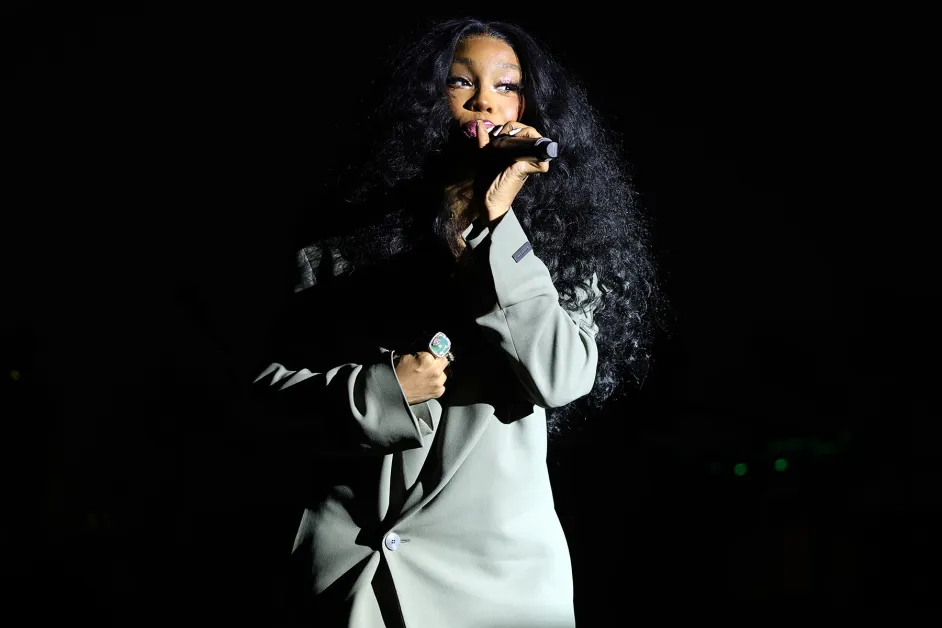
SZA Speaks Out: “It’s CLASSIC Misogynoir!”
The controversy escalated after an Instagram video called out a surge of online posts mocking everything from Erivo’s appearance to the way she protected Ariana Grande from a red-carpet crasher in Singapore.
In the comments, SZA delivered a sharp response:
“It’s CLASSIC Misogynoir! NOTHING ELSE!!!”
The singer went on to express disbelief that such behavior remains normalized in 2025:
“Everyone’s gonna have cognitive dissonance two years later like, ‘Remember when everyone attacked Cynthia for being Black, bald, and nurturing? That was crazy.’ It could just stop now.”
SZA’s statement struck a chord online, sparking conversations about how society treats Black women in the entertainment industry — particularly those in high-visibility roles.
Understanding Misogynoir: A Persistent Cultural Problem
The term misogynoir, coined by scholar Moya Bailey and defined by Merriam-Webster as “hatred of, aversion to, or prejudice against Black women,” describes the unique intersection of racism and sexism that Black women face.
For Erivo, who is both Black and openly queer, this intersection has shaped much of her public experience. Online critics have fixated on her physique, often exaggerating masculine features — a deeply harmful trope rooted in the long-standing dehumanization of Black women.
This isn’t limited to the Wicked rollout; it reflects a broader cultural pattern that affects casting, career opportunities, and public perception.
Cynthia Erivo’s Career-Long Battle with Stereotypes
Erivo has been vocal about how Hollywood rarely casts Black women in romantic or sensual roles. In her June Billboard cover story, she explained:
“Honestly, you rarely get that opportunity as Black women anyway. So I was just like, ‘If I don’t put it in my own music, I’ll never get to put it anywhere else.’”
Despite her Tony, Grammy, and Emmy wins, Erivo continues to navigate a landscape shaped by bias, where femininity is often coded as non-Black and where queer Black women face additional scrutiny for how they present themselves.
Resilience and Representation: Erivo’s Message to Fans
Years of criticism have forced Erivo to develop a protective emotional barrier — a survival tool for many women of color in the industry.
In her Billboard interview, she said:
“I can’t change a person’s opinion of me. But I was so excited about being able to be one more face where someone could say, ‘She did it. She’s still creating and making. So maybe I can do the same.’”
Her perseverance highlights the importance of visibility and representation, especially for marginalized communities watching her break barriers in a major blockbuster film.
The Bigger Picture: Why SZA’s Defense Matters
SZA’s public defense is more than celebrity solidarity — it is a critical reminder that racism and sexism are still deeply embedded in online culture. The reaction to Erivo shows how quickly the internet can target Black women with disproportionate criticism under the guise of “opinion.”
As Wicked: For Good continues building momentum toward its 2026 release, the conversation surrounding Erivo’s treatment serves as a necessary reflection on how audiences engage with public figures.
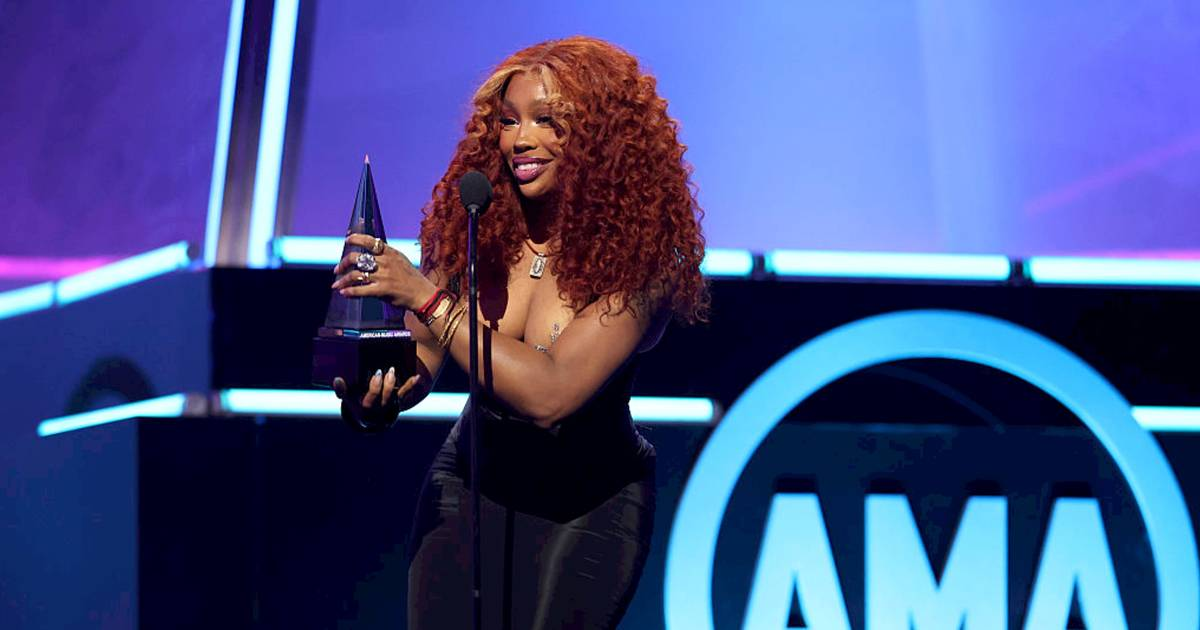
Conclusion: A Call to End Online Harassment
The rollout of Wicked should be a celebration of artistry, talent, and long-awaited cinematic magic. Instead, it has highlighted a harsh reality: Black women still face intensified, racialized criticism in digital spaces.
SZA’s intervention offers a clear message — misogynoir must be named and confronted before it becomes just another overlooked moment in pop culture history.
Homepage: Zinevolthreads
